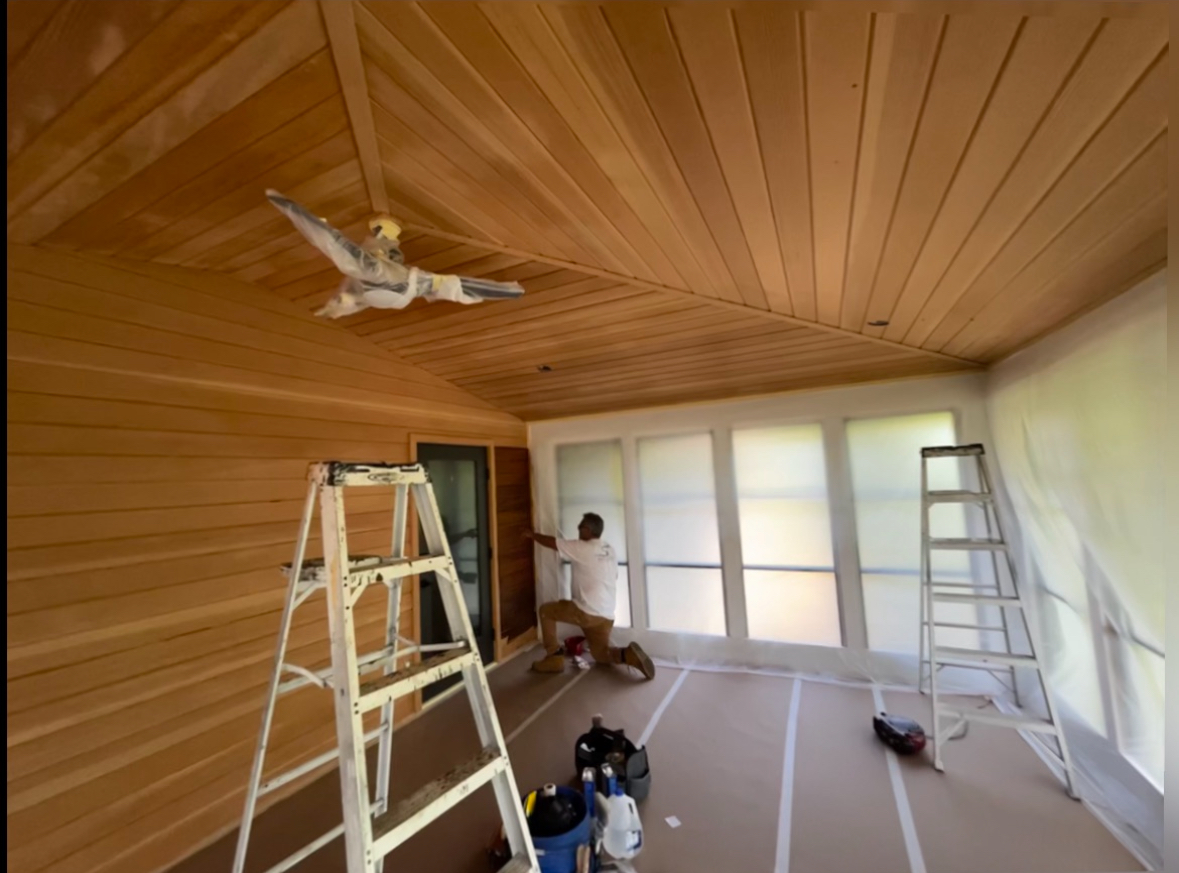


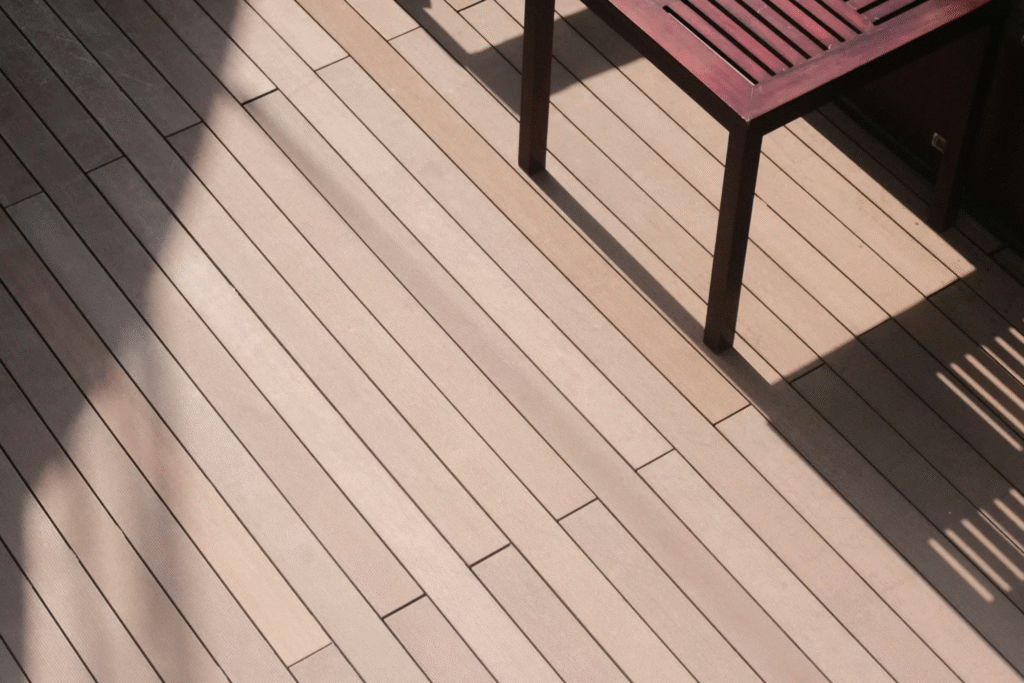
Choosing between a stain or paint for your deck comes down to protection, look, and upkeep. Many homeowners get stuck in the “deck stain vs paint” debate and end up delaying basic deck maintenance. Should you highlight the wood’s grain, or cover it with a bold color?
This guide clears the fog and walks you through outdoor wood protection options, costs, and deck surface durability. By the end, you’ll feel confident about your next step toward a longer-lasting deck.
Quick Overview: Should You Stain Or Paint Your Deck?
Below is a snapshot of how each choice stacks up.
- Painting opens the door to almost any color but can peel over time.
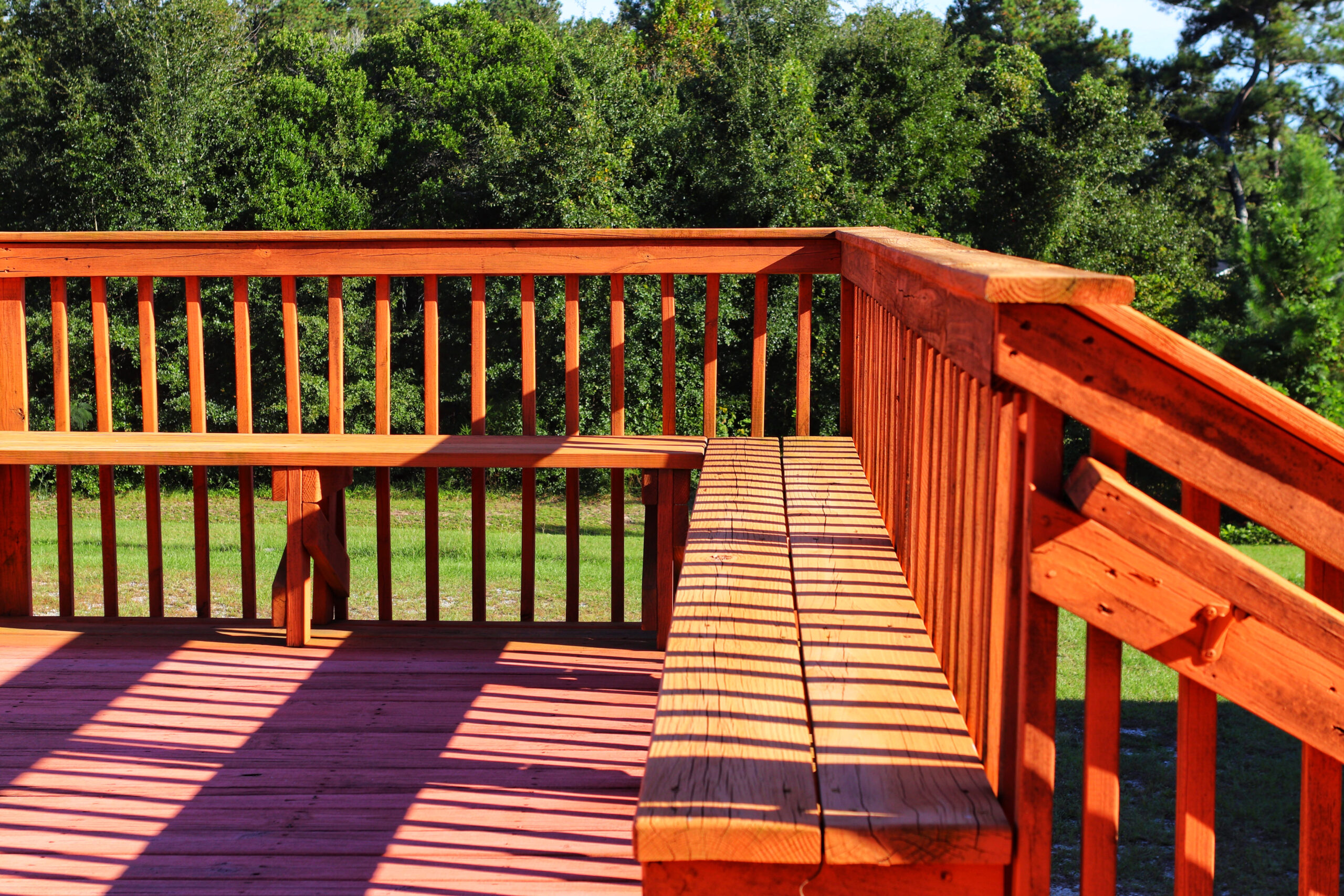
- Staining keeps the wood grain visible and natural.
- Stain touch-ups take less time and effort.
- Paint forms a tougher shield against UV rays and water.
- Prep work, products, and skill affect both cost and time.
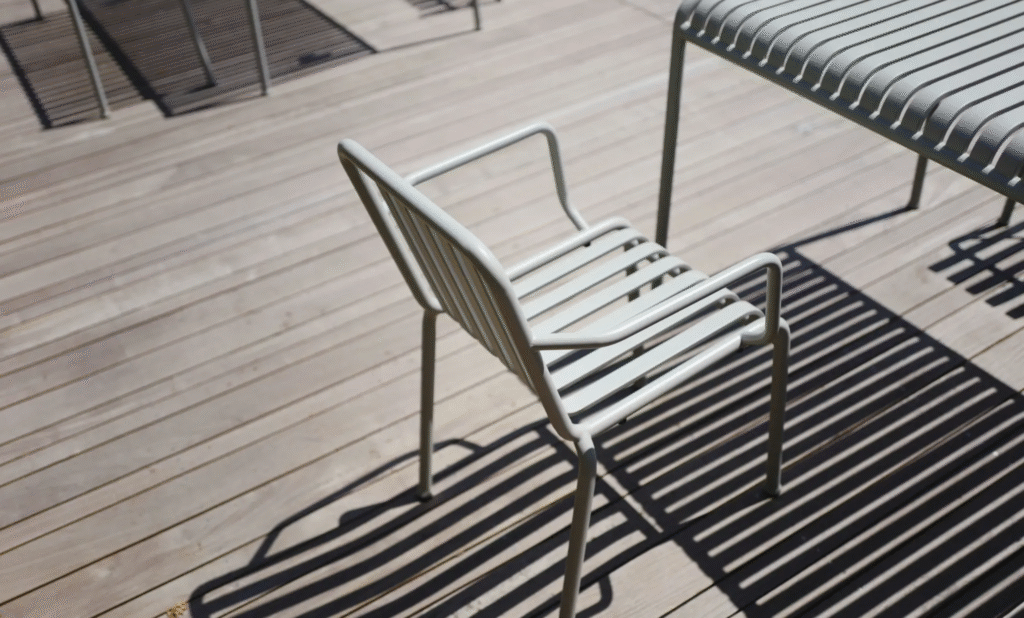
Deck Stain Vs Paint: What’s The Real Difference?
Two products, two personalities. Stain soaks into wood fibers, while paint forms a film on top. Because stain is thinner, it highlights wood grain visibility and usually dries faster. Paint’s thicker body hides flaws and offers bolder hues, but it demands more surface preparation for strong adhesion.
Finish choices matter, too. Stains come in transparent, semi-transparent, and solid forms that raise or lower the wood’s natural look. Paint favors matte, satin, or gloss sheens that change both color depth and weather resistance. In humid summers or icy winters, paint’s film can crack, whereas stain tends to wear away gradually, signaling when it needs a fresh coat. Pick the product that matches your weather resistance needs and the time you’re willing to spend on upkeep.
White Deck Stain Vs Paint: Which Holds Up Better Over Time?
White decks look dreamy on Pinterest, yet reality throws dirt, mildew, and UV damage at that bright surface. White paint gives crisp, full coverage from day one. Over time, though, it may chip and show grime quickly, making cleaning sessions frequent. White stain penetrates the boards, so peeling is rare, and touch-ups blend with less fuss.
Mildew resistance is a wild card. A high-quality acrylic paint often includes mildewcides, but porous stain can breathe better and dry faster after rain, cutting mold risk. Expect deck fading with both options; harsh sun forces you to refresh color more often than darker shades. Balance beauty with maintenance time before choosing a bright deck finish.
Solid Stain Vs Paint For Deck Longevity
Solid stain walks the line between thin stains and thick paint. It hides heavy foot traffic scars almost as well as paint, yet it remains a stain at heart; penetrating the surface and acting as a protective coating. Paint lays down a thicker layer, giving longer UV defense, but that same layer can trap moisture, causing peeling and cracking when boards swell or shrink.
Solid stain thins the risk: it wears off instead of flaking, so future prep is lighter. In brutal climates, either choice lasts five to ten years, depending on prep, product quality, and steady cleaning routines. You’ll see solid stain vs paint for deck hashed out again in the pros and cons below.
Pros And Cons Of Deck Paint
Paint shines when you want bold deck color ideas and a strong moisture barrier. It covers knots, filler spots, and sun-bleached boards, extending life without a full rebuild. On the flip side, stripping old paint is a chore. Years later, you may wish you could simply restain and seal wooden deck boards instead of grinding off layers of paint. Repaint frequency varies; expect touch-ups every five to seven years to avoid peeling edges that invite water inside.
Pros And Cons Of Deck Stain
Stain celebrates the timber’s personality. You’ll enhance grain with a natural finish, add a bit of wood conditioner in the first coat, and enjoy quick drying times. Cleanup is easier, too. Yet staining lacks wild color options, and the reapplication cycle is shorter; most semi-transparent formulas beg for refreshment every two to three years.
Oil-based vs water-based stain choices influence odor, cure time, and eco impact. Occasional deck staining beats scraping paint, but you still need to watch for wear in high-traffic spots.
When To Choose Deck Paint Over Stain
- Your boards show cracks, knots, and old patches; paint masks structural wear better than stain.
- You crave bright blues, deep blacks, or other bold shades that stain can’t match in color saturation.
- The local climate delivers sizzling summers and snow-packed winters; thicker paint offers added armor and lets you repair wooden deck blemishes while you’re at it.
When To Choose Deck Stain Over Paint
A newer deck with gorgeous cedar or redwood deserves to stay visible. A semi-transparent stain lets nature do the decorating and fits mild climates with balanced sun and rain. If you’d rather call in deck staining contractors every few years than scrape and sand peeling paint, staining keeps life simpler and more eco-friendly.
Frequently Asked Questions
What Lasts Longer: Deck Stain Or Paint?
Paint often lasts longer in raw years because it forms a thicker layer. Stain wears away but rarely peels, making future prep easier and extending wood life through consistent re-coats.
Is Staining A Deck Cheaper Than Painting?
Upfront stain usually costs less per gallon and needs fewer tools. Over a decade, total spend evens out because stain demands more frequent re-application, while paint stretches longer between jobs.
Can You Paint Over A Previously Stained Deck?
Yes, yet proper prep is vital. Clean, sand, and prime the boards so paint can bond. Neglect any step and peeling may appear within a season, especially under heavy furniture or grill stations.
What Type Of Stain Is Best For An Old Deck?
A solid or semi-solid formula hides age spots while still soaking in. It offers a thicker pigment to mask discoloration and shields tired boards from water and sun.
How Do I Know If My Deck Should Be Painted Or Stained?
Check the wood’s condition, your color goals, and climate. Smooth boards with minimal flaws favor stain. Rough, weathered lumber or a desire for bright color leans toward paint.
Ready To Refresh Your Deck?
Still weighing deck stain vs paint? Skip the guesswork and let a local pro handle it. Call Pettis Painting at (612) 268-6218 Monday through Friday, 8 AM–5:30 PM, or visit pettispainting.com for a free consultation.